Homebrew Xcode

Xcode 7.3.1 Homebrew 1.0.8-135-g4284b82 macOS Sierra 10.12 (16A323) If anything other specifics needed, please let me know. XCode 4.6 (Application, developed by Apple for the sole purpose of making applications on Swift) Command Line Tools (It gives the user some commonly used.UNIX commands, and we will need the tools for installing MacPorts) MacPorts (An alternative to Homebrew. Homebrew is a package manager, much like on Linux. Brew install Upgrading Homebrew and its packages can be done just as easily: brew upgrade. But running this on Big Sur, with the latest version of Xcode (12.2) installed via the App Store will throw this error: Your CLT does not support macOS 11.0. If you don’t have Apples Xcode Command Line Tools installed it will alert you to that it will install it and carry on with the Homebrew installation and download the Command Line Tools you will need to enter your admin password at some point. Then Homebrew is installed. After this Homebrew is installed and ready to install other apps.
The easiest way to install a number of Unix style applications and open source software onto macOS Big Sur, Catalina, Mojave and earlier Sierra OS versions is via a package manager, unfortunately, macOS Big Sur doesn’t come with one, but fortunately, some good folks care, they come in the form of Homebrew.
The install of Homebrew also works on macOS Catalina, macOS Mojave, (High)Sierra, El Capitan, and Yosemite, so macOS 10.10 – 10.14
Homebrew isn’t the only option, also available is MacPorts and Fink but Homebrew is the newest and most popular of the trio.
Install Homebrew
To download install Homebrew run the install script on the command line as below and let the script do its thing:
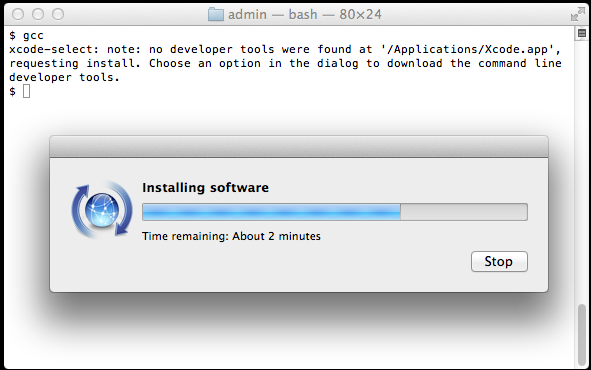
If you don’t have Apples Xcode Command Line Tools installed it will alert you to that it will install it and carry on with the Homebrew installation and download the Command Line Tools you will need to enter your admin password at some point.
Then Homebrew is installed.
After this Homebrew is installed and ready to install other apps.
To get started run brew help can give some command example usage.
To check for any issues with the Homebrew install run:
One issue that typically comes up is an outdated or missing version of Xcode.
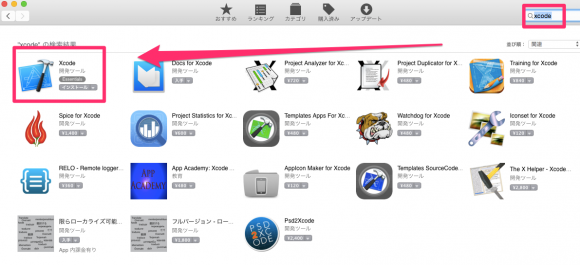
For the latest macOS, brew doctor will warn that the Homebrew install won’t be 100% if Xcode is not up to date, so update Xcode from the App Store.
To search for an application:
To install

To list all apps installed by Homebrew
To remove an installed application
To update Homebrew itself
To see what packages are out of date but not to upgrade them
To see what upgrade packages all or singular
To hold a package at a certain version
Homebrew Xcode Outdated
To release a package from a certain version
To see what else you can do
Where does Homebrew install stuff …. in the Cellar
Where the brew lives.
You can see your Homebrew configuration by running
The output should be similar to …
All installations via Homebrew are filed independently in the filing system in /usr/local/Cellar and linked into /usr/local/bin which is a directory which allows you to run these commands and apps as if part of the regular operating system.
This directory is also out of the SIP bounds so there should be no authentication macOS error dialog boxes.
Remove Home-brew and all packages
To remove the Home-brew installation and all packages it has installed..
Homebrew Xcode Download
HomeBrew is a great package manager just start installing some apps and explore.!