Valence Chemistry

Valence (chemistry) synonyms, Valence (chemistry) pronunciation, Valence (chemistry) translation, English dictionary definition of Valence (chemistry). Valence bond theory describes a covalent bond as the overlap of half-filled atomic orbitals (each containing a single electron) that yield a pair of electrons shared between the two bonded atoms. We say that orbitals on two different atoms overlap when a portion of one orbital and a portion of a second orbital occupy the same region of space.
What does Valence mean in chemistry?
1 Answer
Valence is a term that deals with the electrons that are most typically involved in the bonding characteristics of an atom. These electrons are found in the s and p orbitals of the highest energy level of the electron configuration for the element.
The valence shell can hold 2 electrons in the s orbital representing the first two columns of the periodic table and 6 electrons in the p orbital found in columns 13 - 18 of the periodic table.

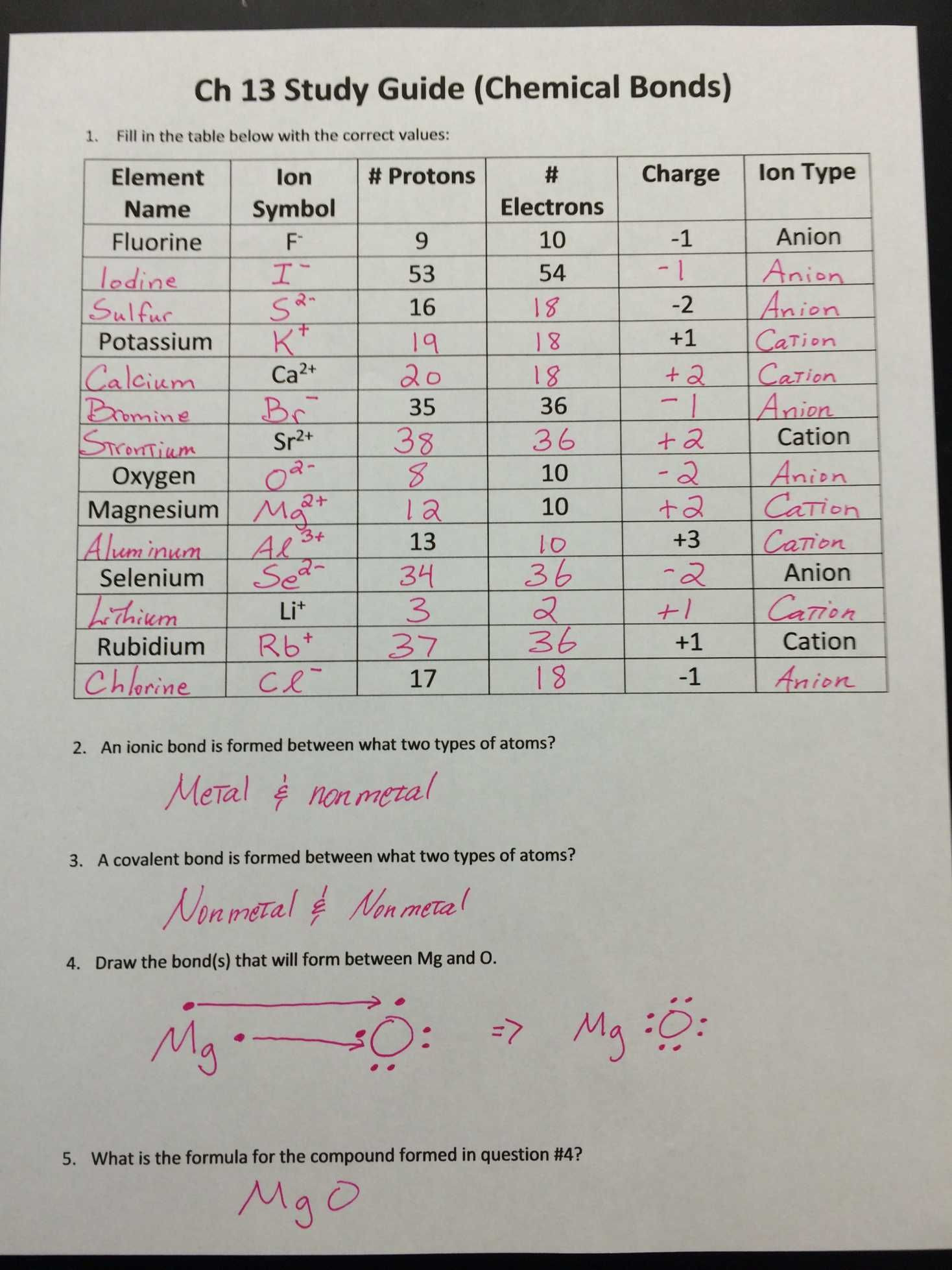
Some examples would include:
Mg
Se
Each element in the periodic table will have the same number of valence electrons as the elements in the same column. All Alkai Metals (Li, Na, K, Rb) have 1 valence electron. All Halogens (F.Cl, Br, I) have 7 valence electrons. All of the Noble Gases (Ne, Ar, Kr Xe) will have 8 valence electrons and fulfill the


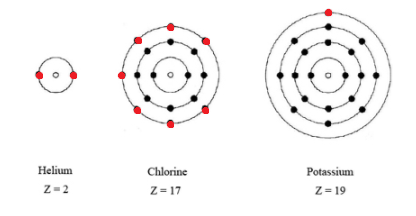
Atoms try to gain or lose electrons to fulfill the
I HOPE THIS WAS HELPFUL.
SMARTERTEACHER
Valence Chemistry Examples
Related questions